FREE Assessments on All Categories! 🎉 – No Promo Code Needed

Learn how GLP-1 weight loss medications work, who may be eligible, potential side effects, and how to access personalized prescription weight loss treatment online in Canada.
Weight loss can feel frustrating when diet and exercise alone do not lead to the results you expected. For many people, weight management is influenced by more than calories in and calories out. Appetite signals, metabolism, hormones, sleep, stress, medications, genetics, and underlying health conditions can all play a role.
That is one reason prescription weight loss medications, especially GLP-1 medications, have become a major topic in Canadian healthcare. These treatments are not a shortcut or a replacement for healthy habits, but for eligible patients, they may offer medical support as part of a broader weight management plan.
In Canada, prescription weight loss medications must be reviewed and prescribed by a licensed healthcare provider. Health Canada has authorized semaglutide injection for chronic weight management as an adjunct to reduced-calorie diet and increased physical activity in eligible patients, including adults with a BMI of 30 or greater, or 27 or greater with at least one weight-related condition such as hypertension, type 2 diabetes, dyslipidemia, or obstructive sleep apnea.
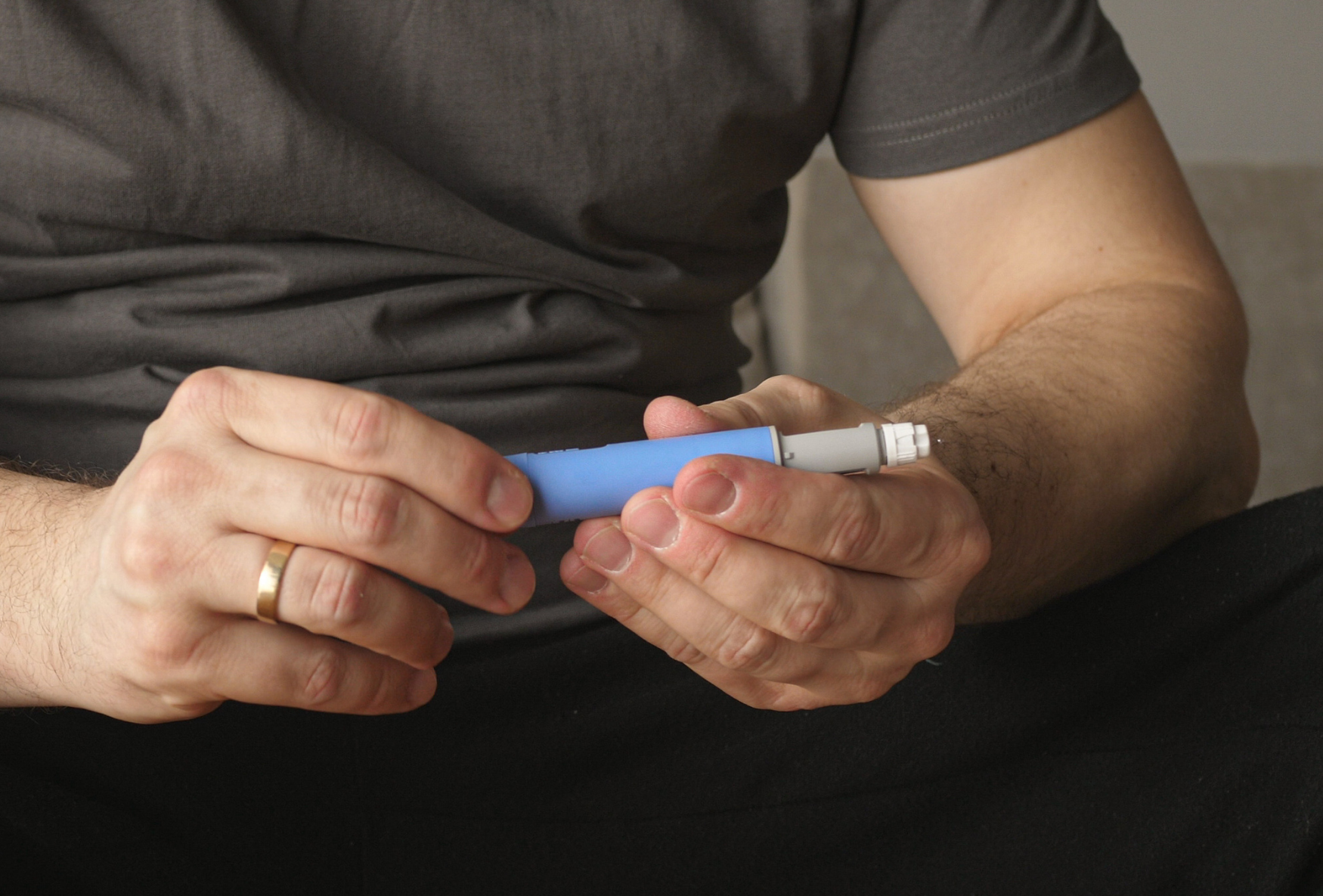
GLP-1 medications are a class of prescription treatments that mimic a naturally occurring hormone called glucagon-like peptide-1. This hormone plays a role in appetite, fullness, digestion, and blood sugar regulation.
For weight management, GLP-1 medications may help some people:
Different medications work differently, and not every treatment is right for every person. A licensed provider needs to review your health history, medications, weight-related goals, and potential risks before deciding whether a prescription option is appropriate.
GLP-1 medications have become popular because they target biological drivers of appetite and satiety. Many people living with excess weight or obesity have experienced how difficult it can be to maintain weight loss when the body increases hunger signals or lowers energy expenditure after weight loss.
Canadian clinical guidance recognizes pharmacotherapy as one component of comprehensive obesity management, alongside behavioural therapy and, in some cases, metabolic and bariatric surgery. The 2025 Canadian guideline update describes obesity pharmacotherapy as an important part of long-term, individualized obesity care when used appropriately.
Yes, some GLP-1 medications are available in Canada by prescription. However, the specific medication, indication, availability, and eligibility requirements can vary.
It is important to avoid websites or sellers claiming to offer GLP-1 medications without a prescription. The Canadian Medical Association notes that GLP-1 drugs require a prescription from a licensed healthcare provider, and that a provider should determine whether the drug is appropriate, what dose is needed, and how side effects should be monitored.
Eligibility depends on your health profile. A healthcare provider may consider factors such as:
Some prescription weight loss medications are generally considered for people with obesity, or for people who are overweight and have weight-related health conditions. Health Canada’s Wegovy authorization, for example, includes use in adults with BMI of 30 or greater, or BMI of 27 or greater with at least one weight-related comorbidity, alongside reduced-calorie diet and increased physical activity.
No. GLP-1 medications are typically used with lifestyle changes, not instead of them. Nutrition, movement, sleep, hydration, stress management, and long-term behaviour change can all help support sustainable progress.
That said, many people find that medication can make lifestyle changes easier to maintain by reducing appetite or improving fullness. The goal is not simply to lose weight quickly, but to build a medically supported plan that can be sustained over time.
Side effects vary by medication and by person. GLP-1 medications commonly involve gastrointestinal side effects, especially when starting or increasing the dose. These may include nausea, vomiting, diarrhea, constipation, stomach discomfort, or reduced appetite.
More serious risks are possible, which is why medical screening is important. You should always tell your provider about your full medical history, current medications, supplements, allergies, and any previous reactions to medications.
Yes, many Canadians now access prescription weight loss treatment online through licensed telehealth platforms. A typical process includes an online assessment, provider review, eligibility screening, prescription if appropriate, and pharmacy delivery.
JUPITER makes this process convenient and confidential. You can complete an online assessment, share your weight loss goals and health history, and have your information reviewed by a licensed Canadian healthcare provider. If treatment is appropriate, your prescription can be prepared and delivered discreetly to your door.
When considering online weight loss treatment in Canada, look for a service that offers:
Be cautious of any website promising prescription weight loss medication without a medical assessment or prescription. That is a red flag.
GLP-1 medications have changed the conversation around weight loss by addressing biological factors involved in appetite and fullness. For eligible patients, prescription treatment may be a helpful tool as part of a broader plan that includes nutrition, movement, sleep, and long-term lifestyle support.
If you are interested in prescription weight loss treatment online, JUPITER can help you complete a confidential assessment and connect with a licensed Canadian healthcare provider to determine whether treatment is appropriate.
Ready to take the next step? Complete your online weight loss assessment with JUPITER.


