FREE Assessments on All Categories! 🎉 – No Promo Code Needed

The face, neck, and chest age differently. Learn why prescription anti-aging treatment may vary by area and how ingredients can support texture, tone, dark spots, and skin quality.
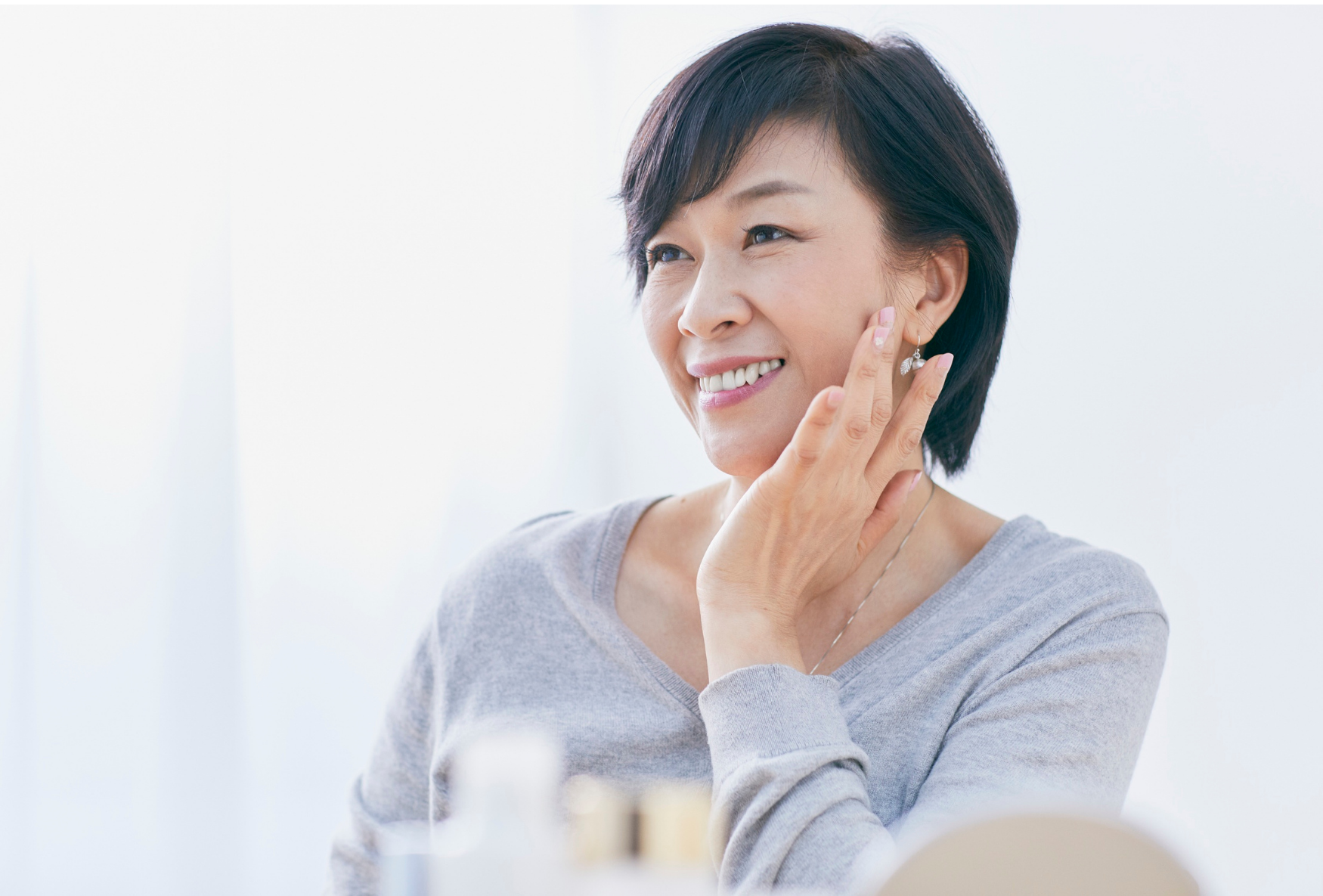
The face, neck, and chest are often discussed together in skincare, but they do not always need the same treatment. These areas are all exposed to sun, environmental stress, and movement, yet the skin can differ in thickness, sensitivity, oil production, and tolerance.
That is why prescription anti-aging treatment may be adjusted depending on the area being treated. A formula designed for facial texture may not be the same as one focused on chest pigmentation or neck crepiness.
Understanding these differences can help explain why a personalized approach matters.
Facial aging often shows up as fine lines, dullness, uneven tone, rough texture, enlarged-looking pores, and changes in firmness. Because facial skin usually has more oil glands than the neck or chest, it may tolerate active ingredients better over time.
Prescription retinoids such as tretinoin are commonly used in facial anti-aging treatment because they help support cell turnover and collagen production. Depending on skin type and tolerance, different strengths may be used.
Facial anti-aging treatment may focus on:
Supportive ingredients like niacinamide, hyaluronic acid, and ceramides can help maintain hydration and reduce irritation while the skin adjusts.
The neck is often more delicate than the face. It may be drier, thinner, and more prone to irritation. This is why the neck often benefits from a gentler, more barrier-conscious approach.
Common neck concerns include:
Tretinoin may be used on the neck when appropriate, but the concentration and frequency often need to be carefully considered. Barrier-supportive ingredients such as niacinamide, sodium hyaluronate, ceramides, and panthenol can be especially helpful in this area.
The goal is usually gradual improvement without causing unnecessary irritation.
The chest is one of the most sun-exposed areas of the body, but it is often left out of daily skincare. Over time, UV exposure can contribute to dark spots, redness, blotchiness, rough texture, and crepey skin.
Chest aging often appears as:
When pigmentation is a major concern, prescription ingredients such as hydroquinone may be considered under medical supervision. Hydroquinone is used to target excess pigment and may be included in treatment plans focused on dark spots or sun-related discoloration.
Because the chest can also be prone to dryness and irritation, supportive ingredients such as panthenol, sodium hyaluronate, ceramides, and cholesterol can help maintain comfort and barrier function.
Daily sunscreen is essential for the face, neck, and chest. UV exposure is one of the biggest contributors to visible aging, including wrinkles, pigmentation, rough texture, and collagen breakdown.
This is especially important when using ingredients such as tretinoin or hydroquinone. Without consistent sun protection, dark spots may worsen and anti-aging results may be harder to maintain.
A strong anti-aging routine should include:
It can be tempting to assume that a stronger prescription formula will produce better results. In reality, the most effective treatment is often the one the skin can tolerate consistently.
The face may tolerate a more progressive retinoid approach. The neck may need a gentler strategy. The chest may require more focus on pigmentation and sun damage. Matching the treatment to the area can help reduce irritation and improve long-term use.
The face, neck, and chest age differently, so they may benefit from different prescription skincare approaches. Facial treatment often focuses on fine lines and texture, neck treatment often prioritizes gentle firming and barrier support, and chest treatment may focus more on sun damage and pigmentation.
A personalized plan can help match the right ingredients to the right area while supporting healthy, resilient skin over time. Daily sunscreen remains one of the most important steps for protecting results and preventing further visible aging.